



SPA plays the antitrust card and seeks collective power for Producers
Looking to the ACCC for collective bargaining to address the power imbalance facing SMB producers.

Screen Producers Australia (SPA) has officially decided that there is safety in numbers.
The organisation has lodged two applications with the Australian Competition and Consumer Commission (ACCC), seeking permission to engage in collective bargaining with free-to-air broadcasters, subscription television networks and streaming services.
The move signals a shift in strategy for the local sector. SPA is also seeking interim authorisation to start the ball rolling while the ACCC assesses the full paperwork.
The David and Goliath dynamic
Under current competition laws, SPA members technically view each other as competitors. This prohibits them from coordinating negotiations, as regulators could view such conduct as anti-competitive or collusive.
SPA argues this restriction ignores the reality of the market. The vast majority of production companies are small-to-medium enterprises that lack the resources to fight tooth and nail over every contract clause.
Conversely, the networks and streamers they sell to are generally massive, well-resourced corporations benefiting from significant barriers to entry.
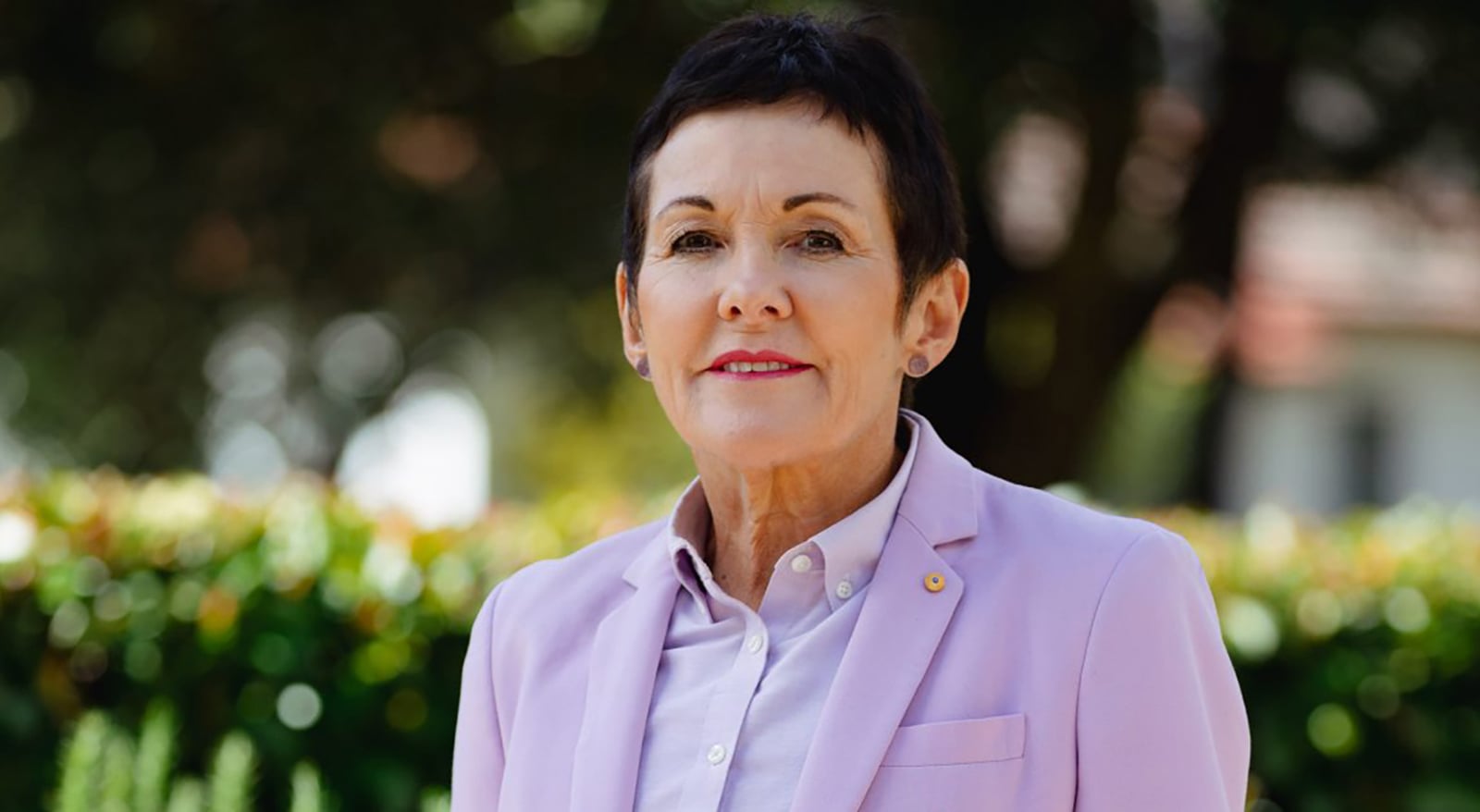 Kate Carnell taking steps to level the playing field for local producers


The leading media trade publication in Australia.
Get our top stories straight to your inbox daily by signing up to our Newsletter
By providing your information, you agree to our Terms of Use and our Privacy Policy. We use vendors that may also process your information to help provide our services.
SPA Chair Kate Carnell AO notes that the current environment is putting the existence of creative entrepreneurs at risk.
“Most screen businesses are small operators and run on a shoestring. The pressures they face in trying to negotiate commercial terms with big corporate players are untenable and put their ongoing existence at risk,” Carnell said. “Recourse to the ACCC is the logical next step needed to try to address this market imbalance.”
Establishing the rules of engagement
The applications aim to establish 'model terms of engagement'. This would create a baseline set of negotiated rights that producers and buyers can use as a starting point.
The logic is simple efficiency. Model terms allow producers to avoid renegotiating fundamental terms on every single project. This reduces the legal and administrative burden on smaller businesses that currently have to craft bespoke agreements for each show.
SPA CEO Matthew Deaner highlights that while recent legislation recognised the value of local content, it failed to address the ownership of rights.
“Even when Australian programs are successful, producers are often negotiating in the dark,” Mr Deaner said. “That lack of transparency directly weakens their bargaining position.”
Next steps for the sector
The ACCC will now publish the applications and invite public submissions from affected parties, giving broadcasters and streamers a chance to provide feedback or object. SPA expects the key assessment process to take around twelve weeks.
If the ACCC grants authorisation, it does not legally compel the networks or streamers to negotiate. However, it provides a lawful framework for these discussions to occur and allows SPA to develop model terms that serve as a valuable starting point for the industry regardless of immediate buy-in.
For the creative contributors - such as writers, directors and cast - SPA suggests this move could provide greater certainty by matching rights sought by licensees to the expectations of the talent.
Main Image: SPA CEO Matthew Deaner
More from Mediaweek
The leading media trade publication in Australia.
Get our top stories straight to your inbox daily by signing up to our Newsletter
By providing your information, you agree to our Terms of Use and our Privacy Policy. We use vendors that may also process your information to help provide our services.


