



Nick McKenzie on the toll, temperament and tenacity of investigative journalism
Investigative reporter Nick McKenzie opens up on the Mediaweek Newsmakers podcast about the personal toll, risks, and quirks of a career spent chasing the truth.

For more than two decades, Nick McKenzie has been one of Australia’s most recognisable investigative reporters, the kind who can shift a national conversation, unearth hidden corruption, and withstand the pressures that come with telling uncomfortable truths.
Speaking on Mediaweek's Newsmakers podcast, McKenzie, who has just wrapped up Revealed: Building Bad, part of Stan’s investigative documentary series, said he began his career with the "idealistic" belief that journalism has the power to make the world better.
It's a conviction that's just as strong now as it was when he was 20.
"When we do our jobs well as journalists, we can expose wrongdoing and injustice, and give people a voice," he said."
A profession for the 'strange, obsessive, determined'
McKenzie is quick to note that the job attracts a certain type.
Good journalists, he said, "tend to be a bit strange, obsessive, determined, and thick-skinned," able to build trust with anyone, whether it's a tradie at the pub or a politician at a restaurant.
The skill is less about fitting into a particular world and more about moving between many, often blurring the lines. "Sometimes, criminals and politicians aren’t that different," he observed.


The leading media trade publication in Australia.
Get our top stories straight to your inbox daily by signing up to our Newsletter
By providing your information, you agree to our Terms of Use and our Privacy Policy. We use vendors that may also process your information to help provide our services.
The unglamorous grind
The work itself, he explained, is far from glamorous.
While there are occasional clandestine meetings "in car parks or on suburban ovals," most of the time it’s "grim, grunt work", travelling to meet sources, knocking on doors, trawling court documents, and persuading reluctant people to talk.
That kind of persistence is essential, particularly when a story must be watertight enough to withstand legal threats.
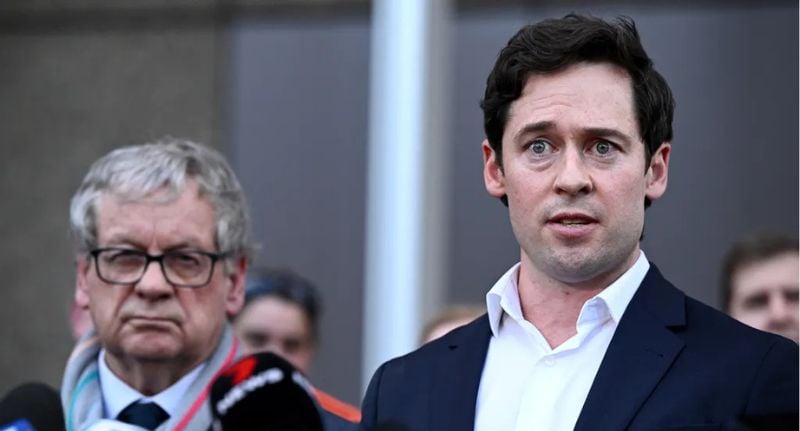 Journalists Chris Masters and Nick McKenzie, who worked together on the Ben Roberts-Smith war crimes story
Living with risk and stress
The job also comes with risk.
McKenzie has received threats from "neo-Nazis, gangland figures, and passionate football supporters" following sensitive investigations. "You'd be mad not to be scared," he admitted.
Over time, the stress has a cumulative effect. "The cost grows with every year. I deal with it by running, swimming, and checking in with a psychologist. I'm unafraid to admit that it can push me into dark places, but my North Star is the truth. Knowing I've done my best lets me sleep straight in bed."
Where to listen
In the full Mediaweek Newsmakers episode, McKenzie talks about collaboration and rivalry in the media, why awards matter less than impact, and the importance of resisting the decline of face-to-face reporting in an AI-driven era.
It’s a rare, unfiltered look at the temperament and tenacity required for investigative journalism, and why, despite the personal cost, McKenzie still sees it as a calling worth answering.
You can listen here or wherever you get your podcasts.
More from Mediaweek
The leading media trade publication in Australia.
Get our top stories straight to your inbox daily by signing up to our Newsletter
By providing your information, you agree to our Terms of Use and our Privacy Policy. We use vendors that may also process your information to help provide our services.


