



Five minutes of junk food ads can spike kids’ calorie intake, study finds
'A clear message to policymakers: food advertising is driving excess calorie intake in children.'

A major new study presented at the European Congress on Obesity has revealed that children consume significantly more calories after viewing just five minutes of junk food advertising, regardless of format or media channel.
The findings have now raised fresh questions about the scope and enforcement of advertising regulations aimed at protecting young audiences.
Conducted by researchers from the University of Liverpool in the UK, the randomised crossover trial involved 240 children aged 7 to 15 from schools in Merseyside.
Participants were shown five minutes of advertising for high-fat, sugar and salt (HFSS) products, including both product-specific and brand-only campaigns. They were then offered snacks and a lunch meal.
The authors calculated that, after the adverts, the children consumed 58 calories more in snacks and ate 73 more calories for lunch than after exposure to non-food ads.
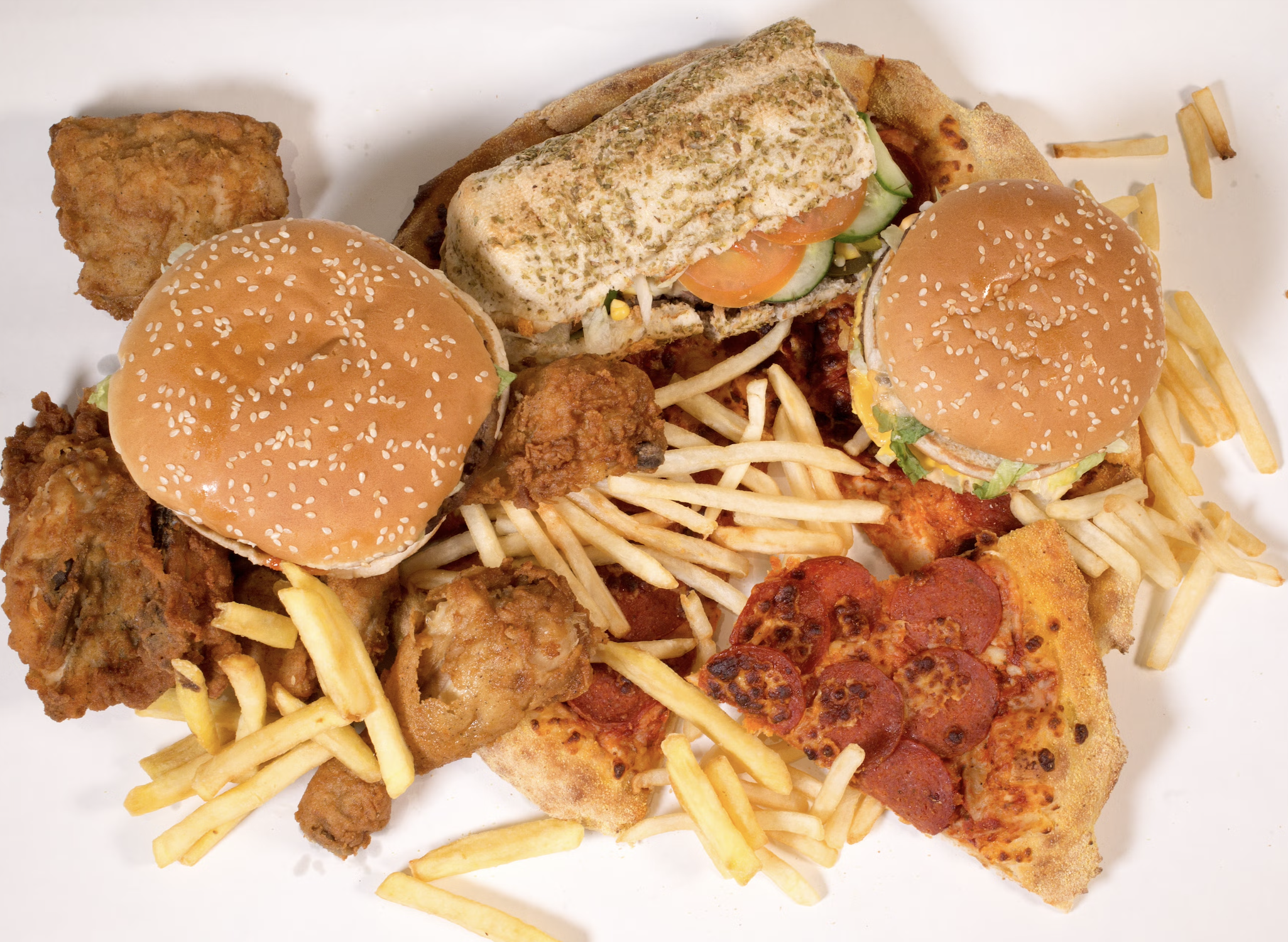 Junk food.


The leading media trade publication in Australia.
Get our top stories straight to your inbox daily by signing up to our Newsletter
By providing your information, you agree to our Terms of Use and our Privacy Policy. We use vendors that may also process your information to help provide our services.
Notably, the findings were consistent regardless of the format, TV-style video ads, static billboards, podcast spots, or social media posts all had a similar impact. Even ads without images of food, just logos or brand mascots, triggered an increase in consumption, suggesting that mere brand cues can stimulate appetite and influence eating behaviours in young viewers.
The study’s findings could have significant implications for the Australian media and advertising industry as governments globally move toward tightening restrictions on HFSS marketing.
In the UK, a pre-9pm ban on junk food advertising across TV and digital is scheduled to begin in October, though researchers and advocacy groups are now pointing to potential loopholes.
'Food advertising is driving excess calorie intake in children.'
Katharine Jenner, director of the Obesity Health Alliance, said the study sends a “clear message to policymakers: food advertising is driving excess calorie intake in children.” She warned that brand-only advertising on billboards and public transport could continue to undermine public health efforts.
The research also found that children with higher BMI scores were even more susceptible to increased calorie intake after exposure, underscoring the potential long-term health risks.
With media and marketing strategies under renewed scrutiny, the study adds pressure on regulators and advertisers to revisit the broader influence of brand messaging across all channels, not just product-specific promotions, especially when it comes to children’s health.
From 1 July, 2025, junk food advertising will be banned across Adelaide’s buses, trains, and trams as part of a bold South Australian government initiative to combat rising obesity rates.
The policy, a first of its kind in Australia, will outlaw promotions for unhealthy products like soft drinks, confectionery, and chips on public transport.
More from Mediaweek
The leading media trade publication in Australia.
Get our top stories straight to your inbox daily by signing up to our Newsletter
By providing your information, you agree to our Terms of Use and our Privacy Policy. We use vendors that may also process your information to help provide our services.


